Daler Xusinov
The Hidden Connection Between Your Jaw and Your Gut
Most people rarely consider the intricate relationship between their dental health and digestive wellbeing. Yet the alignment of one’s bite plays a surprisingly significant role in how effectively the body processes food and absorbs essential nutrients. When teeth don’t meet properly, the entire digestive process can be compromised from the very first bite, creating a cascade of effects that extend far beyond the mouth.
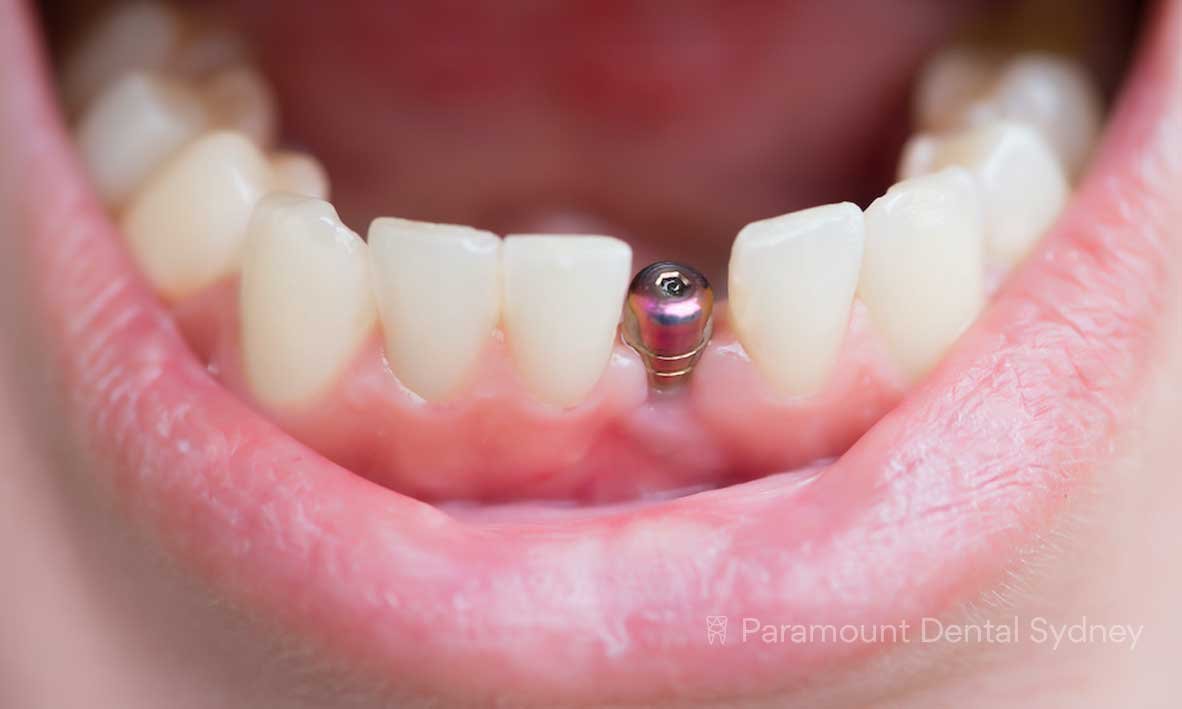
The digestive journey begins not in the stomach, but in the oral cavity, where mechanical breakdown through chewing prepares food for the chemical processes that follow. A misaligned bite—whether caused by crooked teeth, jaw positioning issues, or missing teeth—can fundamentally alter this crucial first stage of digestion. Understanding this connection reveals why seeking guidance from a qualified dentist Thames Ditton patients trust can be essential not just for oral health, but for overall physical wellbeing.
How Malocclusion Impacts the Mechanical Breakdown of Food
Proper mastication requires the coordinated effort of multiple teeth working in harmony. When bite alignment is compromised—a condition known as malocclusion—the efficiency of this process diminishes considerably. Research has demonstrated that the relationship between oral health and systemic conditions extends to digestive function, with poorly chewed food placing additional strain on the gastrointestinal system.
Individuals with malocclusion often unconsciously compensate by favouring one side of their mouth or swallowing larger food particles. This incomplete mechanical breakdown means the stomach and intestines must work harder to extract nutrients from inadequately processed food. The consequences can include bloating, discomfort, and reduced nutrient bioavailability.
The Optimal Chewing Process
When teeth align correctly, they create multiple contact points that efficiently grind food into smaller particles. This process serves several vital functions:
- Increases the surface area of food, allowing digestive enzymes to work more effectively
- Mixes food thoroughly with saliva, which contains enzymes that begin breaking down carbohydrates
- Signals the stomach to prepare appropriate levels of gastric acid
- Allows the brain to register satiety signals, preventing overeating
Saliva Production and Enzymatic Activity
The act of chewing stimulates saliva production, and proper bite alignment ensures this process occurs optimally. Saliva contains amylase, an enzyme that initiates carbohydrate digestion before food even reaches the stomach.
When malocclusion prevents thorough chewing, food spends less time in the mouth, reducing saliva’s enzymatic action on starches and sugars. This places an additional burden on pancreatic enzymes later in the digestive process, potentially leading to incomplete digestion and fermentation of undigested carbohydrates in the intestines.
Temporal Mandibular Joint Dysfunction and Digestive Patterns
Bite misalignment frequently contributes to temporomandibular joint (TMJ) disorders, which can cause pain and difficulty chewing. Individuals experiencing TMJ discomfort often modify their eating habits, selecting softer foods that require less mastication or rushing through meals to minimise jaw strain. These adaptive behaviours further compromise the digestive process, as studies examining gastrointestinal function and oral health have shown correlations between inadequate chewing and various digestive complaints.
The psychological aspect shouldn’t be overlooked either. Chronic jaw pain can create anxiety around eating, leading to hurried consumption and poor food choices that prioritise comfort over nutritional value. This creates a cycle where both oral health and digestive wellness deteriorate simultaneously.
Nutrient Absorption and Long-Term Health Implications
The efficiency of nutrient absorption depends heavily on how well food has been prepared during mastication. Proteins, fats, and complex carbohydrates all require adequate mechanical breakdown to be properly digested. When bite alignment issues prevent thorough chewing, the body may struggle to extract vital nutrients, including vitamins, minerals, and amino acids.
Over time, this reduced nutrient absorption can manifest in various ways, from fatigue and weakened immunity to more serious deficiencies. Recent research has highlighted the connection between oral health status and nutritional outcomes, reinforcing the importance of addressing dental alignment issues promptly.
Addressing Bite Alignment for Better Digestive Health
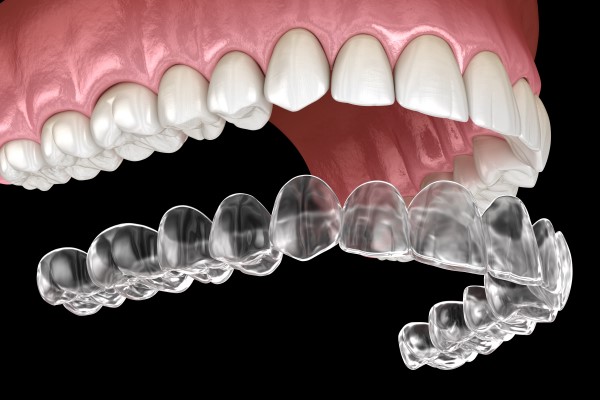
Fortunately, modern dentistry offers numerous solutions for correcting malocclusion, from orthodontic treatments to restorative procedures. Consulting with experienced professionals allows individuals to explore options tailored to their specific needs. Whether through braces, clear aligners, or dental reconstruction, improving bite alignment can yield benefits that extend well beyond an attractive smile.
The connection between oral health and digestive function serves as a powerful reminder that the body operates as an integrated system. By prioritising proper bite alignment, individuals invest not only in their dental health but in their overall capacity to nourish themselves effectively, supporting vitality and wellbeing for years to come.