Daler Xusinov
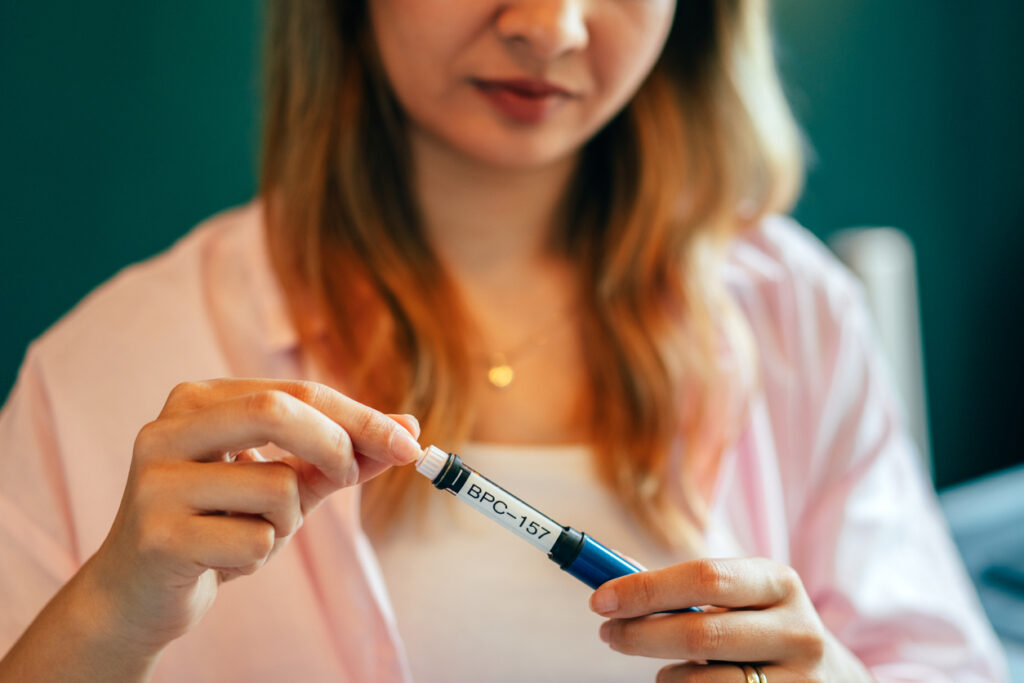
Scientific findings can sound convincing before enough research confirms what they truly mean. Interest in BPC-157 timeline reviewed by Musculoskeletal Key often centres on reported repair periods plus possible changes seen during early studies. Much available work comes from laboratory or animal research. Human outcomes remain less certain. Recovery speed can also differ according to tissue type plus injury severity. Current Peptide for Healing Evidence Highlights Limits Behind Recovery Claims explains why careful interpretation matters before broad conclusions are accepted.
Early Findings Require Careful Evidence Review
Early experiments can identify biological signals worth studying in greater detail.They cannot confirm the same outcome across different human situations.
- Animal models provide useful signals but cannot confirm human outcomes.
- Small studies may produce findings requiring larger controlled investigations later.
- Short observation periods can miss changes appearing during later recovery.
- Laboratory conditions differ greatly from normal human recovery situations daily.
Careful evaluation prevents preliminary observations from becoming firm promises.
Human Research Remains Relatively Limited Today
Human studies provide more direct information about possible effects plus safety.However, strong conclusions require suitable participant numbers plus controlled methods.
Longer observation is also needed to identify delayed changes or concerns.Limited data means certainty should remain low until stronger studies appear.
Tissue Differences Complicate Recovery Timeline Comparisons
Muscle or tendon tissue can follow different biological repair patterns.Blood supply plus structural demands may influence normal healing speed.
One reported timeframe should not be applied across unrelated tissue types.Research comparisons need similar conditions before their findings carry useful meaning.
Research Measures Describe Separate Recovery Signals
Studies can measure repair using several methods plus observation periods.Different measurements should not be treated as proof of the same outcome.
- Imaging reveals structural appearance without confirming complete functional restoration alone.
- Strength tests measure performance during selected stages of physical recovery.
- Laboratory markers indicate biological activity under controlled experimental conditions only.
- Movement assessments examine functional ability through defined testing methods carefully.
- Tissue samples reveal cellular responses during specific research periods directly.
- Circulation checks observe blood flow changes near recovering structures carefully.
- Follow-up testing shows whether early findings remain stable later.
- Safety monitoring records unwanted responses that require further scientific attention.
Using several measures provides broader context than relying on isolated findings.
Personal Reports Cannot Replace Controlled Studies
Individual accounts may describe noticeable changes during a certain period.Other factors may have influenced those outcomes at the same time.Personal stories therefore cannot establish reliable cause-and-effect.
Timeline Claims Need Consistent Measurement Standards
Reliable comparisons depend on studies measuring similar outcomes in similar ways. When considering BPC-157 timeline reviewed by Musculoskeletal Key discussions should separate structural change from functional recovery. A visible improvement does not automatically mean normal strength has returned. Different definitions of progress can create misleading comparisons.
Observation timing creates another issue. An early result may change during later repair stages. Repeated assessment gives researchers a better picture than one isolated measurement.
Animal Studies Offer Limited Human Predictions
Animal research allows biological processes to be examined under controlled conditions.Researchers can study tissue responses more closely than many human trials permit.
Such findings may identify useful directions for future scientific work.Different biology still limits direct application to human outcomes.
Study Design Influences Reported Research Outcomes
Research design can strongly affect how results appear. A controlled comparison may provide stronger evidence than an uncontrolled observation. Participant numbers also influence how confidently findings can be applied elsewhere.
Study duration matters as well. Short experiments may identify early biological responses while missing delayed effects. Reliable claims need methods suited to the question being tested.
Strong Evidence Requires Patient Review
Reliable judgment comes from repeated results rather than isolated positive reports.Human trials provide greater relevance when personal outcomes are being considered.Longer monitoring can reveal limitations hidden during short experimental periods.Safety deserves the same attention as any reported improvement in function.Consistent scientific review creates stronger guidance than expecting certainty too early.